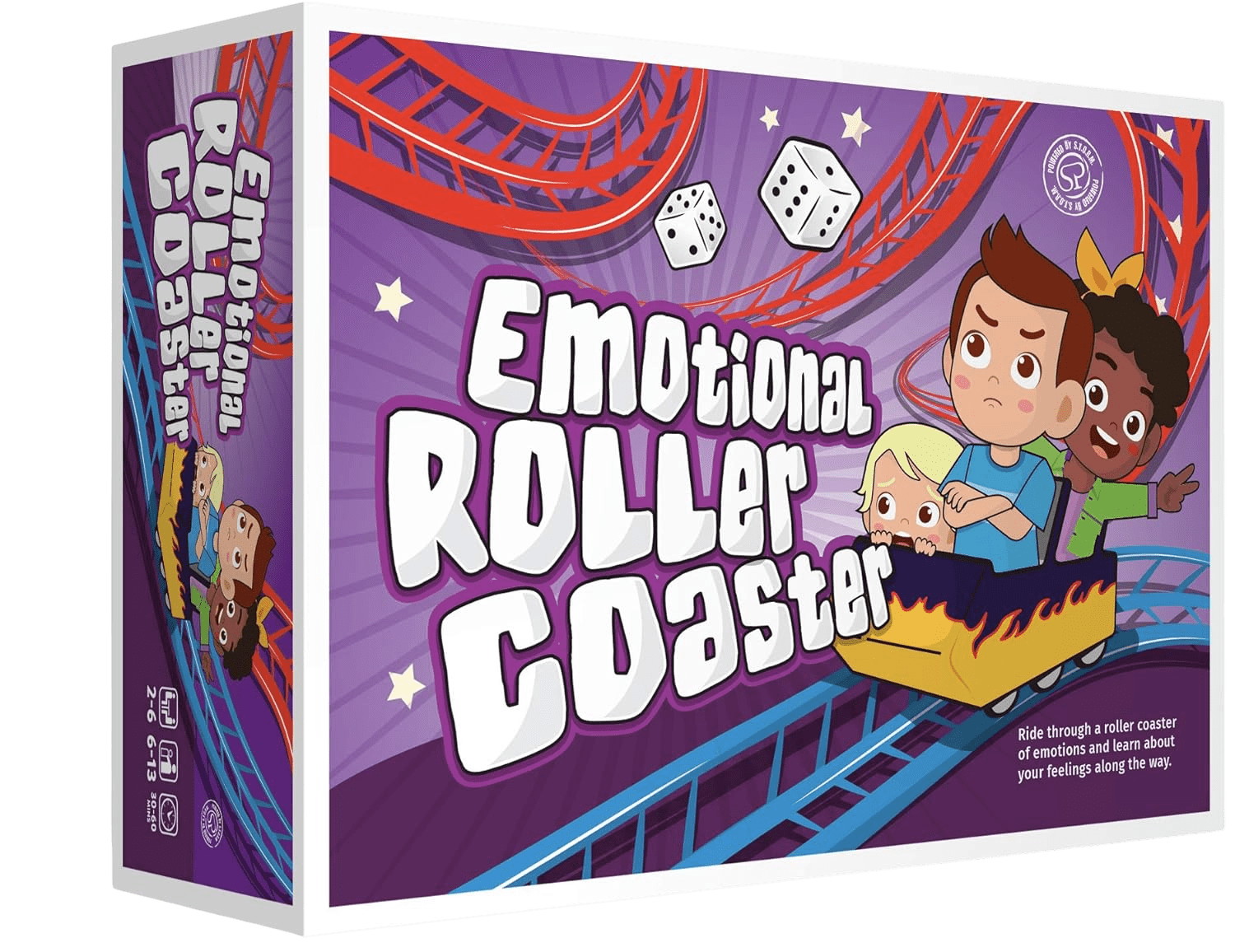
Emotional Rollercoaster Board Game
A therapeutic board game designed to help children ages 4-12 understand, express, and manage emotions through guided play. Perfect for families, classrooms, and therapy settings.
2+
Players
4-12
Ages
SEL
Focused
100+
Prompt Cards
Inside the Box
A complete social-emotional learning toolkit including game board, emotion cards, coping strategy prompts, breathing exercises, and a glossary of feelings.
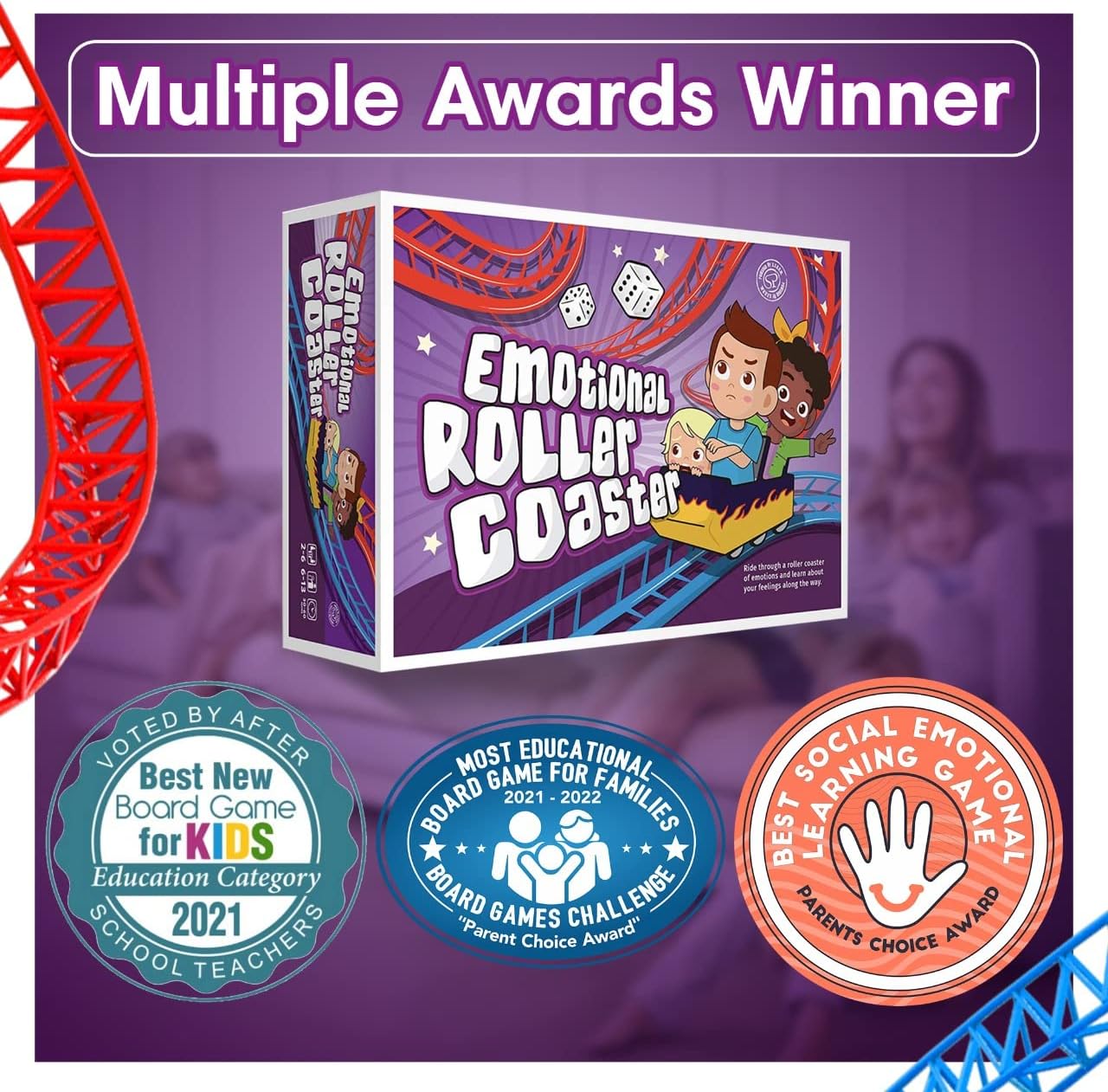
Why Parents & Educators Love It
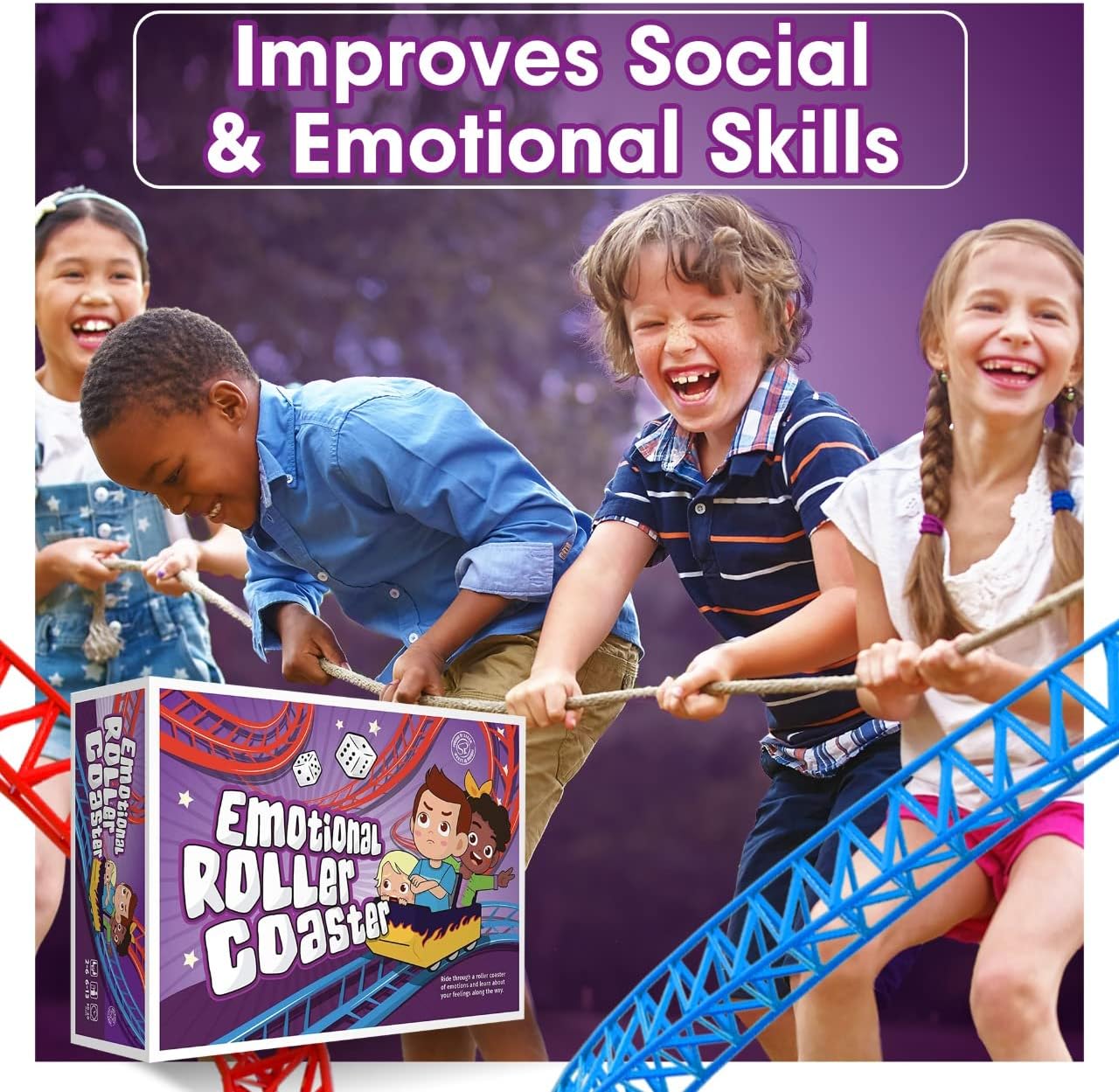
Social-Emotional Learning
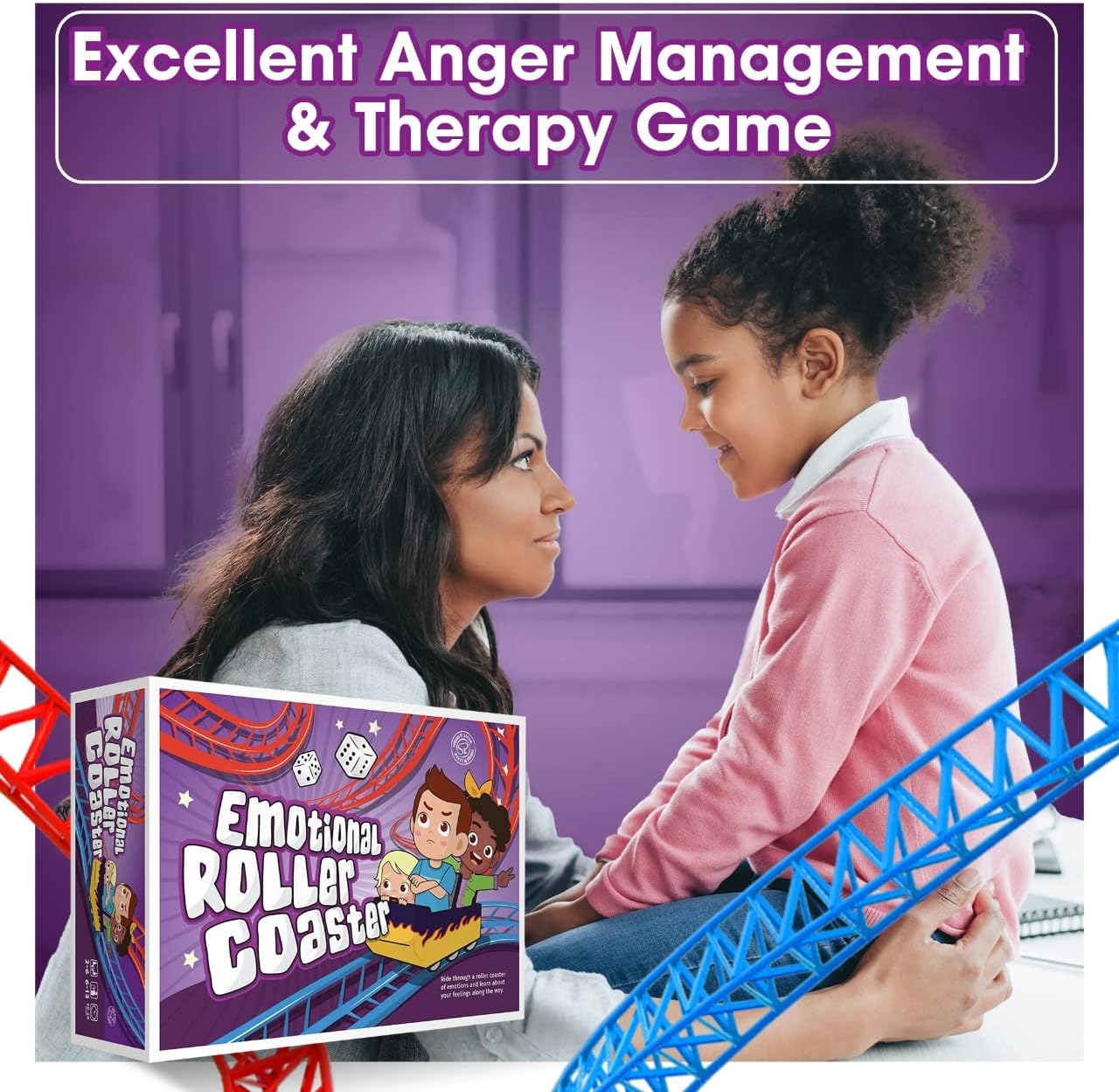
Built on evidence-informed techniques, the game blends anger management, mindfulness, and problem-solving into an engaging format that children actually enjoy.
Easy to Play
Set up like Chutes and Ladders, making it instantly familiar to children. Adults can guide younger players through the prompts and activities.
Meaningful Conversations
Opens up discussions about feelings that might otherwise be difficult to start. Children share experiences and learn they're not alone in their emotions.
Classroom Ready
Widely used by teachers and counselors to support social-emotional learning goals. Flexible for full games or shorter activities.
Inclusive Design
Suitable for children on the autism spectrum and those with different communication needs. No single correct response - different strategies work for different people.
What Families & Therapists Say
Loved by parents, teachers, and therapists on Amazon
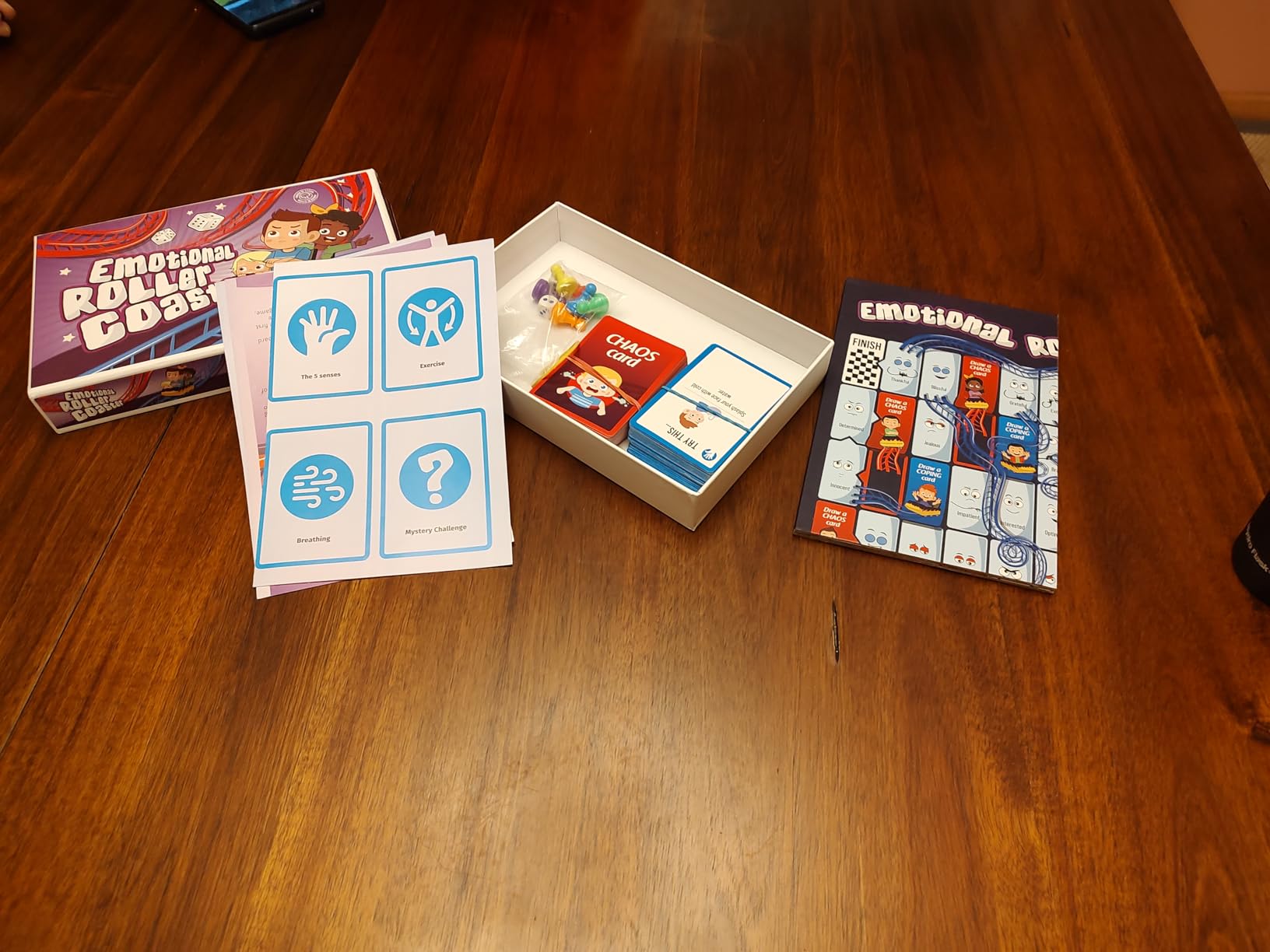
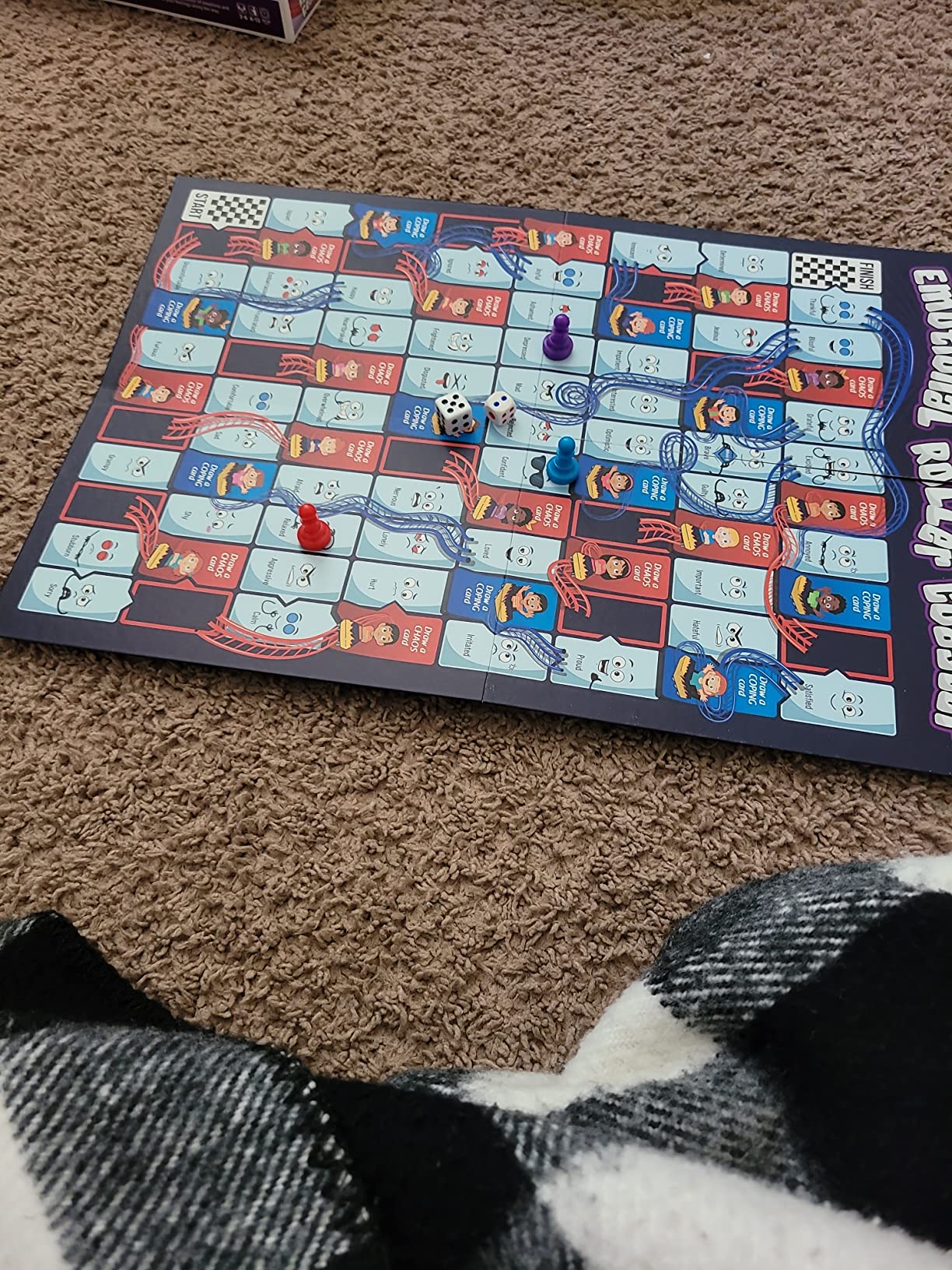
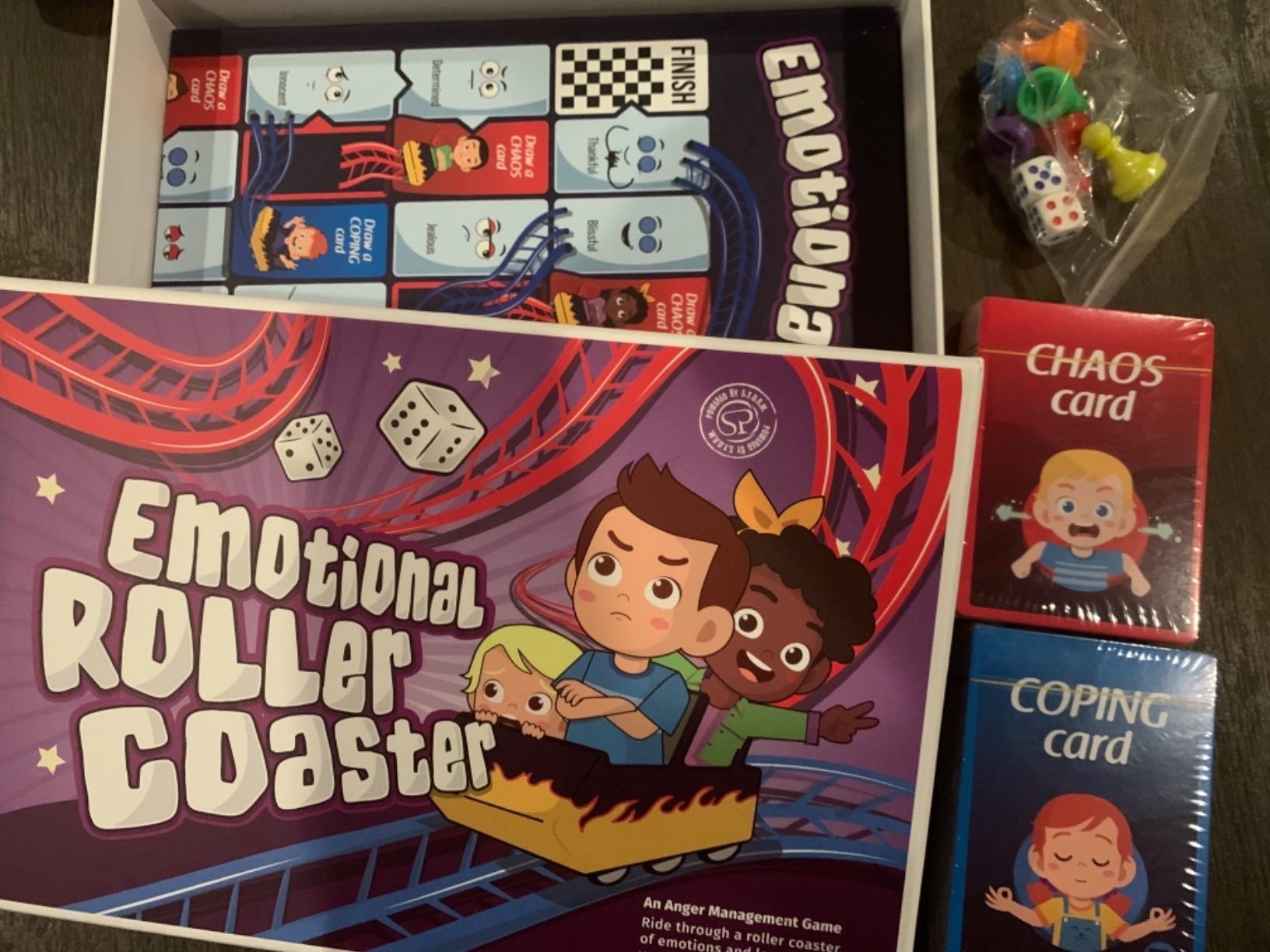
This is such a great game for all kids! It's set up in a Chutes and Ladders format. The players practice naming emotions as they work through the game board. The game comes with a glossary of different emotions was a bonus. Players also learn and put into practice various coping techniques as they work through the harder emotions. I think the game is well thought out and excellent for all children, especially those struggling with big feelings. Fun for adults as well!
KC
Really like this game! My boys (ages 11, 10 and 7) did a great job sharing times they have felt the various feelings. It was some great conversation! Only thing is we didn't hit the coping card spots often enough to learn them. Might adapt a bit next time we play but still GREAT for getting kids noticing and talking about their feelings in a meaningful way.
James H Shultz
Want us to play with one of my kids to help with emotional regulation and expressing feelings. As long as you're honest and play in a personal space area with no interruptions, the game goes well. It sure is pricey but definitely worth it if you have a kids, struggling with verbalizing their emotions. We've only played a couple times I planned to continue to play to support social and emotional learning as kids are developing in growing.
Allie J. S.
Love this game. Helps kid identify feelings and gives them things to do when they are feeling those ways. They love it because it's like a game and it's fun and easy to play. The game is very good quality and the images are bright and clear. This is definitely worth the price.
Annastasia
Love this game...I am a therapist and I love using this game in sessions.
Rachael
Using this product in play therapy with my younger clients. They love it!
Olivia
About Emotional Rollercoaster
Emotional Rollercoaster was created in response to a growing need for practical, age-appropriate tools that help children understand and manage big emotions. Educators, parents, and child development specialists increasingly observed that anger, frustration, and emotional overload were appearing earlier in childhood, while accessible learning resources remained limited or overly clinical.
The idea behind Emotional Rollercoaster was simple: emotional regulation should be taught in a way that feels safe, engaging, and familiar. Board games already play a central role in family life and classrooms, making them an ideal medium for social and emotional learning. From this starting point, Emotional Rollercoaster was developed as a structured yet playful experience that helps children recognise emotions, explore triggers, and practise healthy coping strategies.
The game blends elements of anger management, mindfulness, and problem-solving into an interactive format designed for children aged 4–12. Through guided prompts, breathing exercises, and scenario-based cards, players learn that emotions are normal, manageable, and temporary. The gameplay encourages self-expression while reinforcing the idea that there is no single correct response to strong feelings - different strategies work for different people.
Emotional Rollercoaster was designed to be flexible. It works equally well in family settings, classrooms, therapy sessions, and small group activities. The game supports social-emotional learning goals, helps develop self-regulation skills, and provides adults with a clear, structured way to start meaningful conversations about emotions. It has also been embraced by parents and educators seeking inclusive learning resources, including those supporting children on the autism spectrum.
Today, Emotional Rollercoaster continues to focus on its original mission: turning emotional learning into a positive, shared experience. By combining evidence-informed techniques with approachable gameplay, the brand aims to help children build emotional resilience that lasts well beyond the game board.
Ready to Help Your Child Manage Big Emotions?
Join thousands of families, educators, and therapists who trust Emotional Rollercoaster for social-emotional learning.
Get the GameFrequently Asked Questions
Emotional Rollercoaster is a board game designed to help children understand, express, and manage strong emotions such as anger and frustration through guided play.
The game is designed for children aged 4–12 and is suitable for families, classrooms, therapists, counsellors, and small group settings.
Emotional Rollercoaster supports emotional regulation, self-expression, problem-solving, mindfulness, and social-emotional learning.
Players explore common emotional triggers and practise calming strategies such as breathing, reflection, and choosing alternative responses in a safe, structured environment.
Yes. Emotional Rollercoaster is widely used in classrooms and learning environments to support social and emotional learning objectives.
Absolutely. The game is designed to encourage shared play, helping parents and children have open, constructive conversations about emotions.
While not a replacement for professional therapy, the game is often used as a supportive learning resource in therapeutic and counselling settings.
Yes. Emotional Rollercoaster is frequently used as an inclusive learning tool and can support children with different communication and emotional processing needs.
The game works best with two or more players and can be adapted for one-on-one sessions or small groups.
The game is designed to be accessible. Adults can guide younger players, and activities focus on discussion, interaction, and simple prompts.
The game focuses on flexibility rather than fixed outcomes, teaching children that different coping strategies can work at different times.
The game is developed with input from educators and child development principles, with a focus on quality, clarity, and child-safe design.
Yes. Emotional Rollercoaster can be played in full games or adapted into shorter activities depending on time and setting.
The brand aims to make emotional learning approachable, practical, and positive for children and the adults who support them.
By normalising emotions and practising healthy responses through play, the game helps children build emotional awareness and resilience that extends beyond the game itself.